Bridging Traditional Art with Future Tech
At the College of Marin, instructor Shawn Nelson teaches in the Multimedia Studies (MMST) 3D Art and Animation Department, a program dedicated to training emerging digital artists. The curriculum blends traditional art foundations with industry-standard tools and production workflows, preparing students for careers in animation, games, visual effects, virtual production, and interactive media.
To simulate professional environments, courses are structured around studio-style production tasks where students master a full modern pipeline including Autodesk Maya, Blender, Unity, and Unreal Engine. Working in iterative sprints with strict naming conventions, students learn to troubleshoot pipelines and prepare clean meshes, resulting in production-ready portfolios grounded in current industry standards.
This professional approach comes to life in ambitious projects like the college’s centennial video game, Time Shift: The Centennial Files, featuring assets entirely created by students. These real-world projects require students to move assets seamlessly between DCC tools and real-time engines, ensuring they are ready for the complex demands of the industry.
Solving the "Generic Asset" Problem
Before integrating meshy, students often faced a dilemma when populating their game worlds. They frequently relied on pre-made models from online repositories, which rarely matched the specific characters they envisioned. The alternative—building custom characters entirely from scratch—presented a steep learning curve, as complex tasks like topology and edge flow often slowed down beginners and stalled creative momentum.
Shawn sought a solution that could bridge this gap. He discovered Meshy via LinkedIn while researching tools that could streamline the student workflow. He saw an opportunity to use AI not as a shortcut, but as a way to generate custom base meshes that students could then refine. Shawn explains the motivation behind this shift:
"We wanted to explore how AI-supported production tools could reduce technical friction, help students move from concept to gameplay faster, and allow more room for creativity."
Shawn Nelson
Teacher
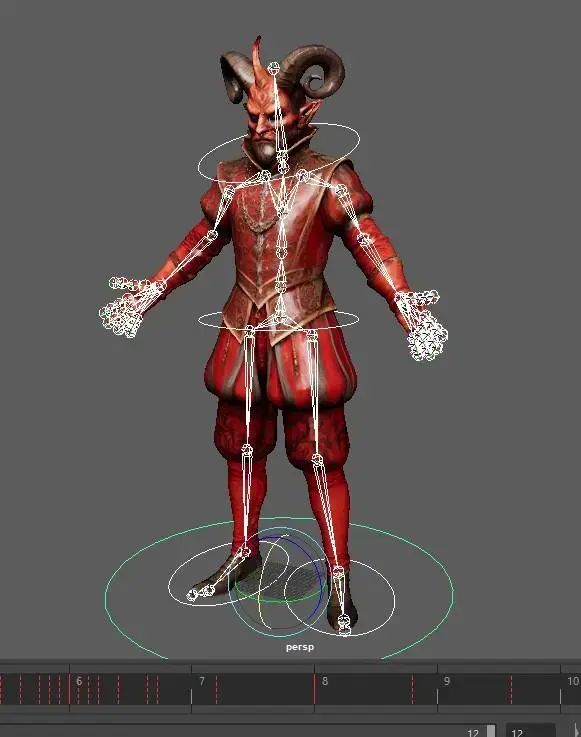
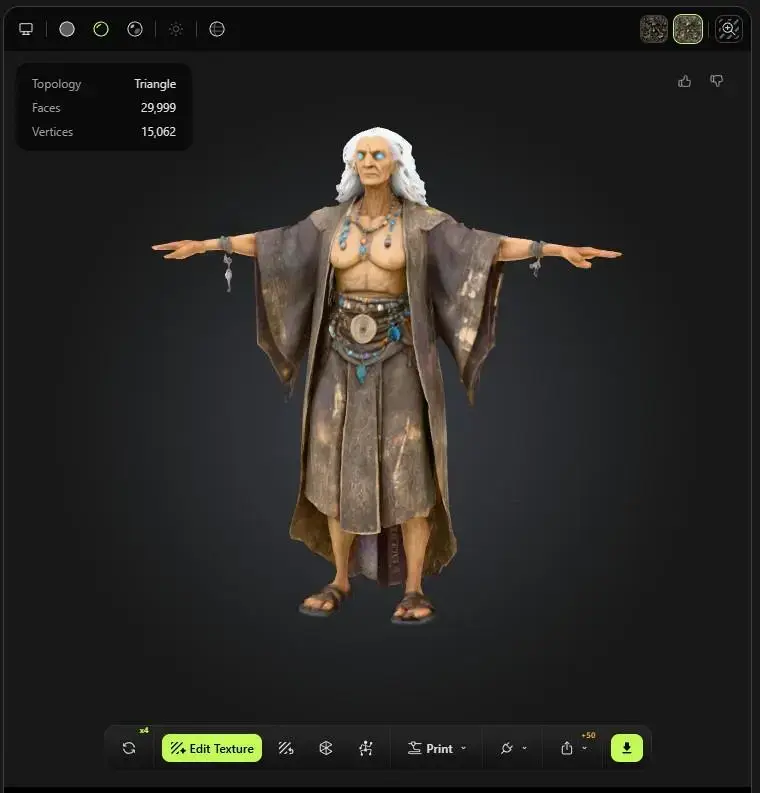 By adopting Meshy, the department found the perfect companion to their existing software suite. It solved the "generic asset" problem, enabling students to create unique characters that could be rigged, skinned, and exported to game engines. This shift allows the curriculum to focus on refining and optimizing assets rather than getting stuck at the very first step of creation.
The Meshy-Enhanced Production Pipeline
Shawn has integrated Meshy not as a disruptive replacement, but as an "intuitive accelerator" within the existing pipeline. Serving as both a pre-production design tool and a solution for final asset preparation, Meshy fits naturally into the studio environment.
"It’s a smooth and intuitive extension of the existing workflow rather than a disruptive replacement."
Shawn Nelson
Teacher
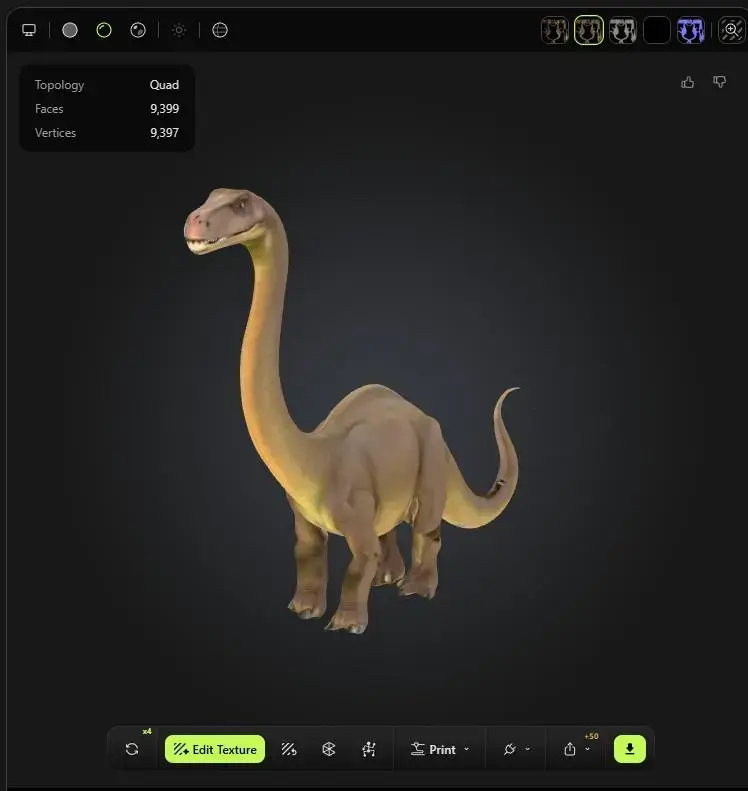
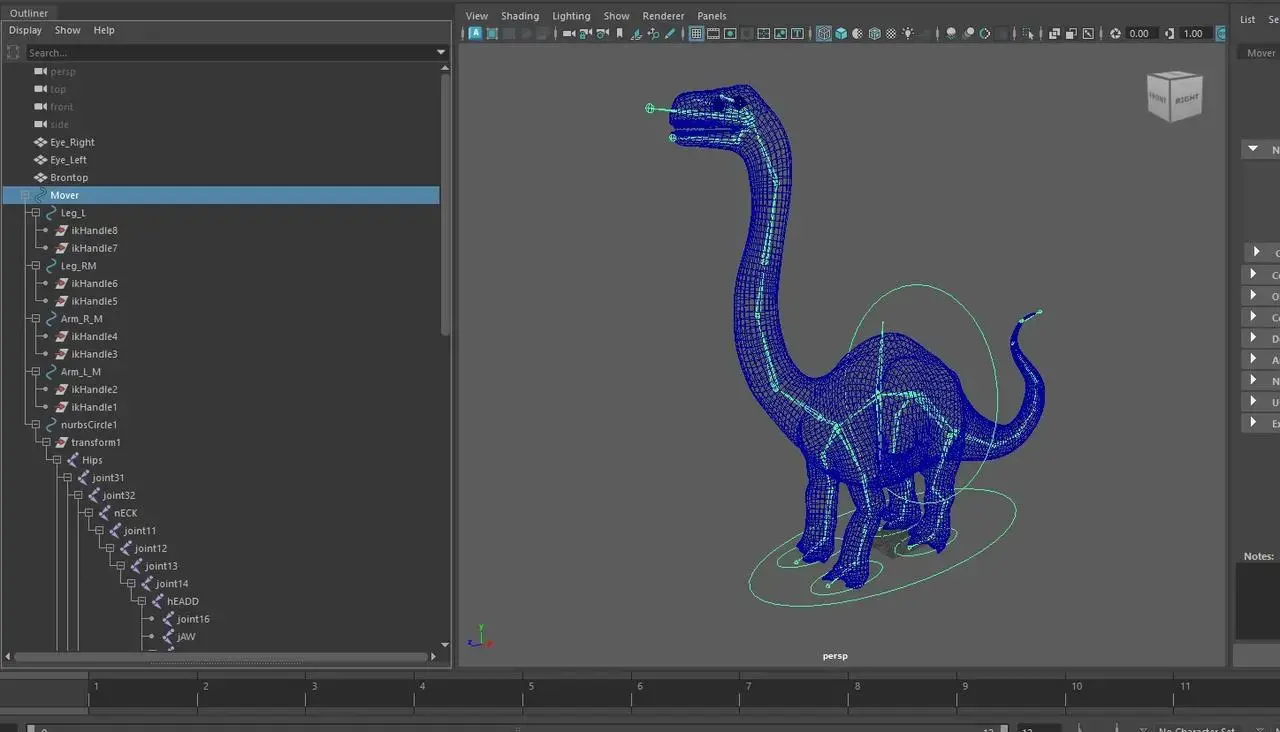
The department integrates Meshy into the curriculum through a versatile workflow:
- Concept & Exploration: Students generate base meshes from concept art to iterate faster during pre-production, establishing character volume and style instantly.
- Diverse Asset Creation: Beyond characters, the tool is used to populate scenes by creating props, accent objects, and hard surface assets.
- Technical Training & Refinement: Meshy models serve as practical examples for class demos. Students learn to clean up AI-generated characters, perform retopology, and fix topology in Maya or Blender to create rigging-ready meshes.
- Game-Ready Optimization: The workflow culminates in preparing optimized meshes that are exported to Unity or Unreal Engine for animation and gameplay.
This approach ensures that students utilize Meshy to handle the initial heavy lifting, freeing them to focus on the critical skills of refining, rigging, and integrating assets into a professional game engine.
Accelerating Production and Unleashing Creativity
The impact of integrating Meshy is immediate: students can now generate custom characters in minutes rather than weeks. This drastic reduction in production time keeps engagement high, allowing students to see their ideas materialized instantly. By removing the bottleneck of manual modeling, the classroom focus shifts from technical frustration to pure artistic expression and storytelling.
"Many students have great narrative and visual ideas but are slowed down by the technical requirements of modeling. Meshy frees them to focus on what they want."
Shawn Nelson
Teacher
Beyond creativity, this integration serves a vital professional purpose. Introducing Meshy signals to students that AI is rapidly becoming a key component of modern pipelines. By learning to leverage automation for iteration, students understand that speed and adaptability are critical skills in contemporary studios, ensuring their training remains competitive and forward-looking.
Preparing the Next Generation for the Studio of Tomorrow
Looking ahead, Shawn envisions Meshy becoming a standard part of asset preparation, akin to UV tools or auto-rig systems. He plans to expand its use across the curriculum, incorporating it into architectural modeling, game capstone projects, and XR world-building courses to support both beginners experimenting with ideas and advanced students preparing production-quality characters.
For educators considering AI tools, Shawn’s advice is practical: start small and integrate Meshy into a few assignments to let students experiment. He emphasizes that AI tools do not replace foundational skills; instead, they support them, clearing the path for deeper artistic growth and technical understanding.