Empowering Student Creativity Through Technology Integration
Trent Lermon serves as a Game Design and Computer Science teacher at Georgetown High School, driven by the goal of bridging creativity and technology for his students. His classes are highly hands-on, covering everything from coding and engineering projects to developing full 2D and 3D games in Unity.
Beyond the classroom, Lermon sponsors the Dungeons & Dragons Club, Esports, and SeaPerch robotics teams, providing various outlets for students to apply their classroom knowledge to creative and real-world projects.
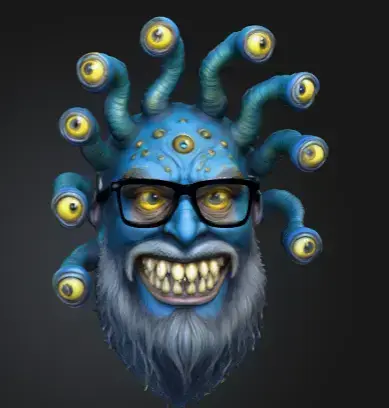
Lermon is constantly seeking ways to streamline the creative process so his students can spend more time on problem-solving and design rather than getting stuck on technical issues. This focus on efficiency and fostering creative ownership brought him face-to-face with the inherent, time-consuming hurdles of traditional 3D asset production.
The Technical Hurdles Blocking Student Innovation
Before Meshy, Trent and his students faced significant challenges in 3D asset creation. These challenges often discouraged beginners and slowed down project timelines:
- Long Traditional Modeling Workflows: Traditional 3D modeling can take many hours or even weeks to reach a usable result, especially for beginners.
- Intimidating Rigging: Rigging—the process of creating a digital skeleton for a 3D model—is one of the most intimidating parts of 3D character design. Students were spending valuable time on setup instead of creative work.
- The Gap Between Idea and Asset: Students struggled with the difficulty of traditional polygon modeling. There was a significant barrier between a student's initial sketch or concept art and actually seeing that idea realized as a fully functional 3D game asset.
Discovering and Integrating Meshy AI
Lermon first learned about Meshy while researching AI-based modeling tools for his classroom. What immediately caught his attention was the clean interface, the quality of models, and the fact that it supports rigging and animation. The promise of bypassing technical friction made him decide to test the tool in both his structured academic courses and his open creative clubs.
Meshy's ability to instantly generate and rig 3D models was a game-changer.
"When I saw Meshy's ability to generate and rig 3D models in minutes, I immediately thought of both my Game Design students and my D&D players, who are always imagining characters they want to bring to life."
Trent Lermon
Teacher

By eliminating the steep learning curve of traditional modeling, Meshy enables students to concentrate on texturing, rigging, and game integration from the start.
The Meshy Workflow: From Concept Sketch to Game Asset
Meshy is now being integrated into Lermon's curriculum to establish a full, efficient workflow for 3D development. Students' creative ideas are taken from a sketch to a fully rigged asset ready for use in popular game engines and software like Unity and Blender. Here is how Meshy supports the students' creative and technical process:
1. 2D Concept to 3D Model: For D&D players, hand-drawn character concept art is used as a reference image to guide the AI art tool. This 2D artwork is then instantly converted into a fully textured 3D model.
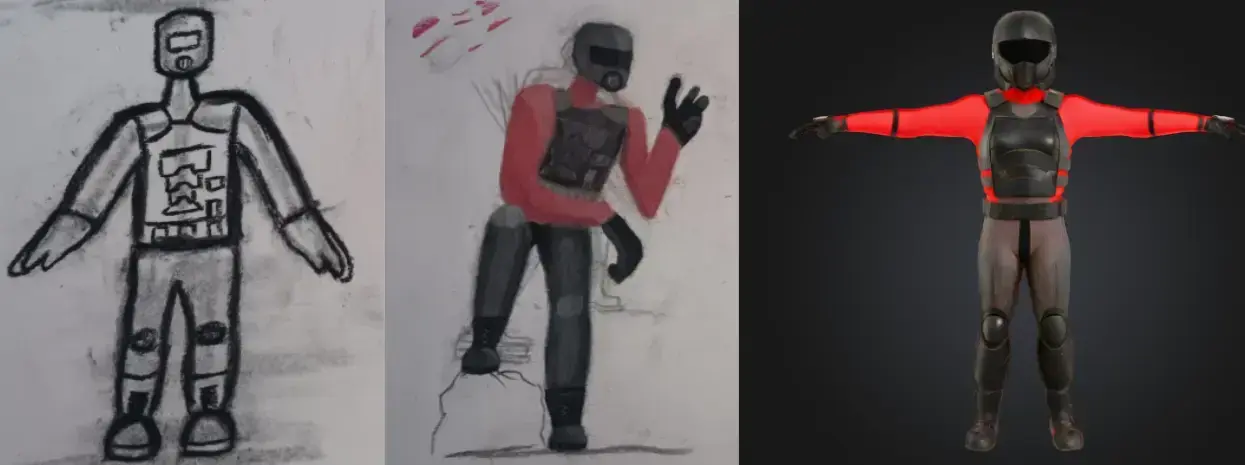
2. Instant Rigging for Animation: The key integration point for game design is Meshy's auto-rigging feature, which makes the complex rigging process nearly effortless.
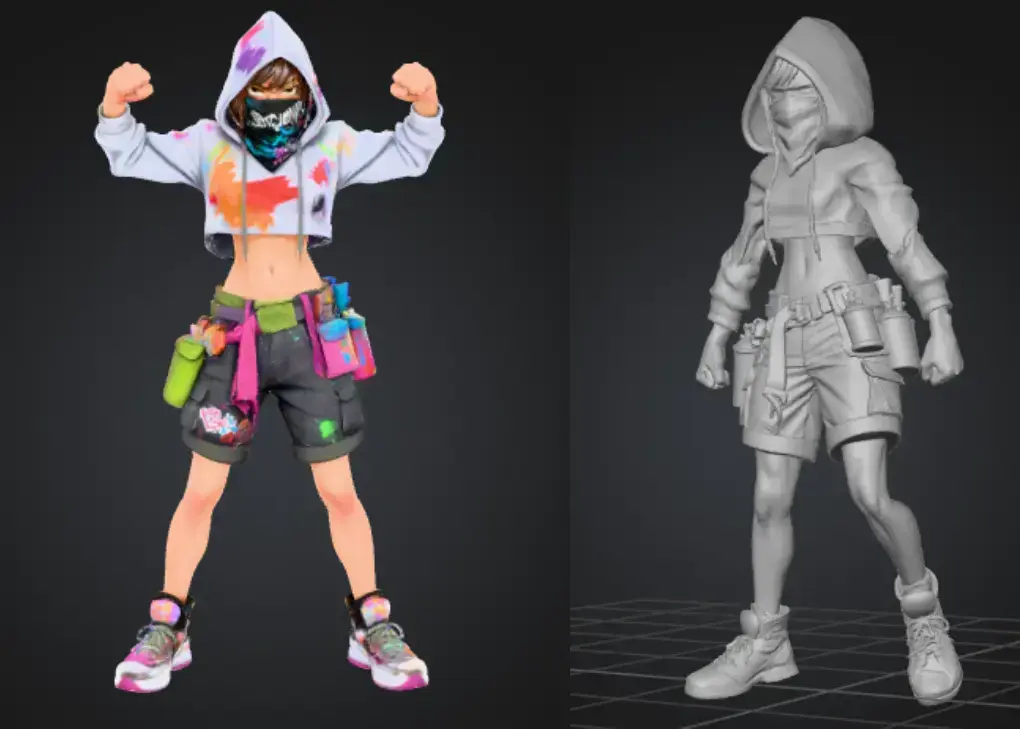
3. Seamless Game Engine Export: Students can import the generated, rigged models directly into Unity for animation, or export them into Blender for tweaking poses or preparing them for 3D printing.
Impact on Student Output and Creative Ownership
The introduction of Meshy has yielded immediate and substantial improvements. Students can now transform their sketches into fully rigged, textured 3D models in a matter of minutes, a process that previously took weeks. This efficiency has dramatically increased their capacity for rapid iteration, allowing them to focus more on design and problem-solving rather than technical bottlenecks.
As a result, creative ownership and confidence have soared. Even students who never saw themselves as artists are now experimenting fearlessly with 3D modeling and animation.
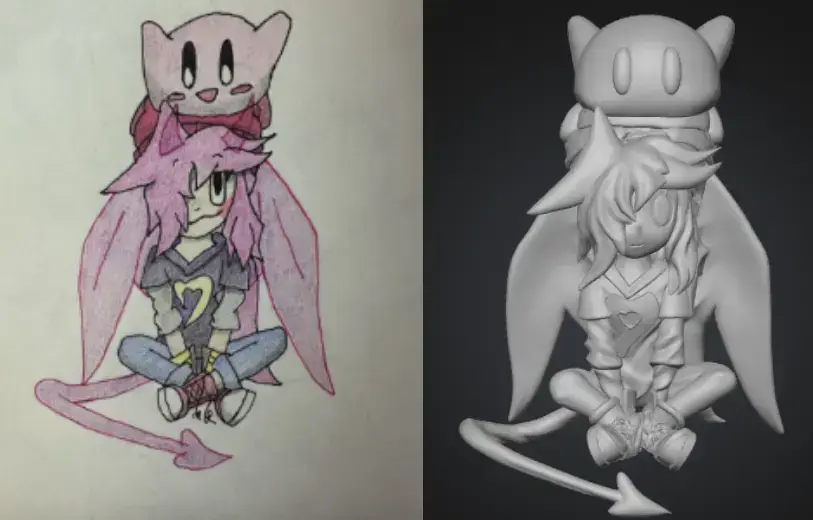
One student said, "Meshy takes my messy concept art and instantly makes it game-ready. Seeing my character move in 3D the moment I generate it is amazing."
The ability to move from concept art to playable, game-ready assets within a single class period has opened new possibilities. Custom character miniatures for the D&D club are now 3D printed directly from Meshy-generated models, and students are preparing more ambitious entries for competitions such as SkillsUSA.
AI workflows have become an integrated part of both structured lessons and extracurricular activities, making advanced creation accessible to all students, regardless of their background.
Expanding Creative Horizons With Meshy
Looking forward, Trent Lermon sees Meshy becoming a core part of how he teaches both Game Design and his D&D club. He plans to integrate it into demos, assignments, and final projects. Meshy's instant feedback loop dramatically expands what students can create in a short amount of time.
Lermon believes that AI tools like Meshy are going to be game changers for education, making 3D design accessible and allowing educators to focus on teaching essential creative and design principles.
"Meshy shortens the distance between I have an idea and I can see it in a game."
Trent Lermon
Teacher