Bringing Student Art Into the Interactive Era
In Aizenay, France, visual arts teacher Tony Renou is reshaping how students connect with both artistic creation and local cultural heritage. Teaching at Collège Jacques Laurent des Achards and Lycée Colette Le Bret, he guides students through a process that blends traditional art with game development, encouraging them to design not only visual pieces but also interactive digital experiences.
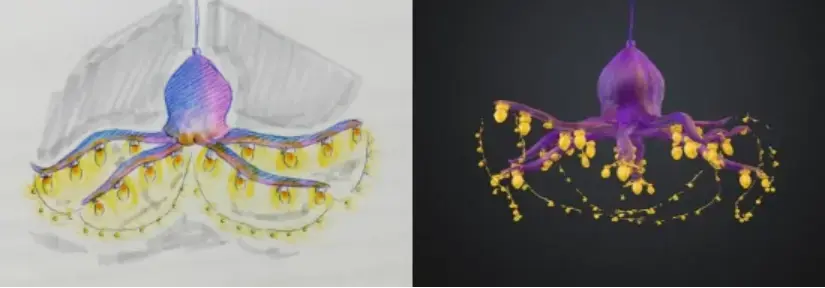
"The idea is for students to become not only visual creators but also designers of digital experiences by transforming their artworks into interactive elements within a game."
Tony Renou
Teacher
The Challenges Behind Student-Created 3D Game Worlds
Before adopting Meshy, transforming students' physical or 2D artwork into optimized 3D models for educational games was a complex and time-consuming process. Renou aimed to connect classical art and immersive digital tools, but the technical reality often overshadowed the creative intent.
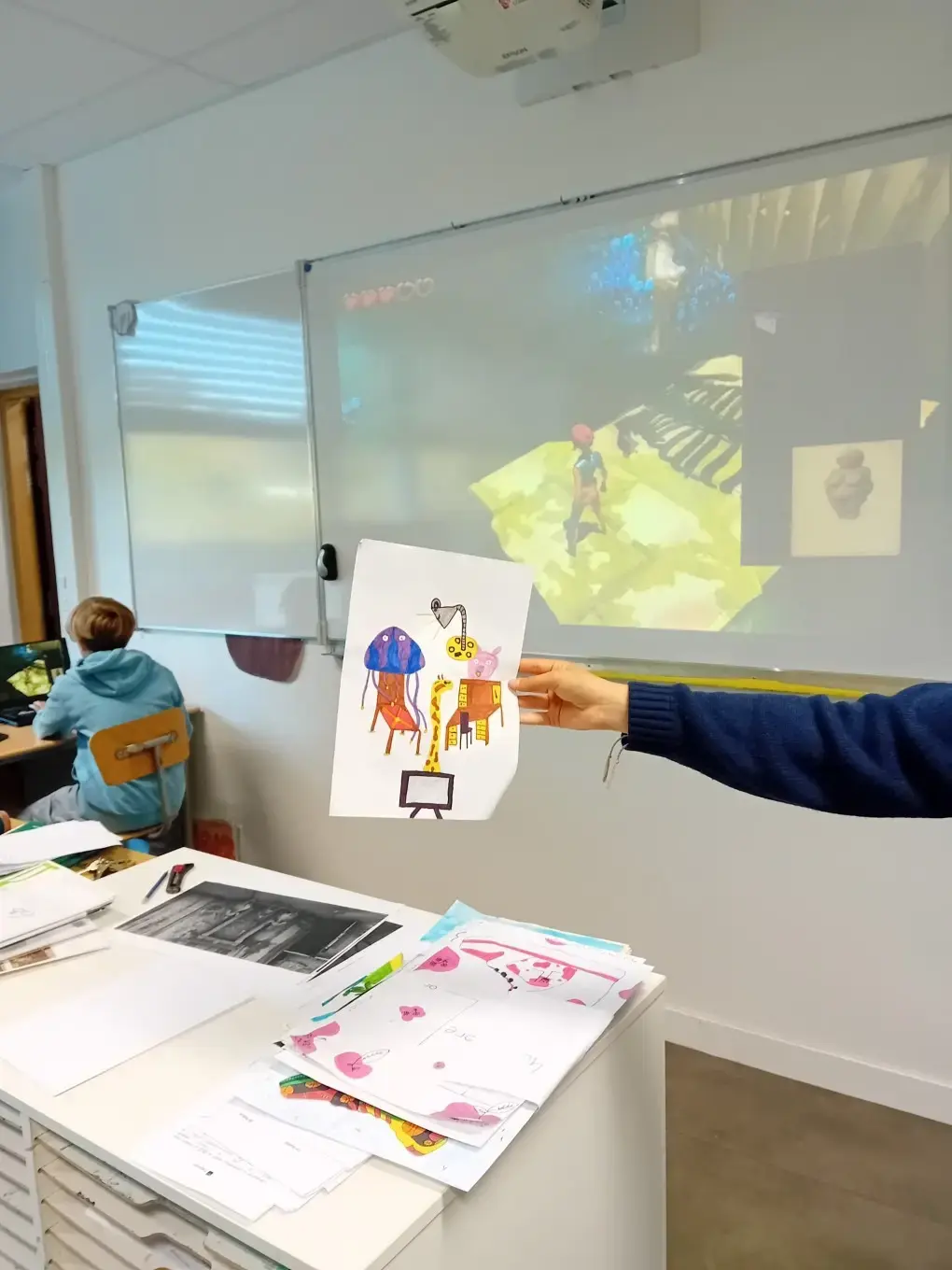
Key obstacles included:
- Optimization complexity: Transforming a photo or drawing into a playable 3D model was difficult because it required crucial optimization steps such as polygon reduction and texture cleanup.
- Technical compatibility: The process involved ensuring strict compatibility with game engines like Unity, which included complex requirements such as UV mapping, rigging, setting up collisions, and managing correct file formats.
- Tool accessibility: Training students on 3D tools presented a hurdle because the software is sometimes complex or difficult to access in a classroom setting.
- Visual consistency: Standardizing the visual styles proved challenging when trying to ensure that heterogeneous student creations would integrate harmoniously into a coherent digital world.
Renou needed a solution that would allow students to focus on their heritage-inspired narratives rather than getting lost in the intricacies of 3D topology. It was at this moment that Meshy came into view.
Finding Meshy: A Missing Link Between Creativity and Technology
Meshy's strengths became especially clear when Tony began integrating it into the student workflow. Its AI-powered processing handled the most technical bottlenecks, providing:
- Automatic conversion of raw 2D/3D media into textured 3D models
- Game-ready optimization (polygon reduction, UV mapping)
- Export to Unity-compatible formats
Whether students worked directly on the platform under Tony's supervision or relied on him to refine their scans, Meshy created a workflow where artistic imagination could finally meet technological feasibility.
A Streamlined 3D Creation Workflow
1. Physical Creation:
Students begin by creating their heritage-inspired objects. This stage involves traditional artistic methods such as drawing, building physical models, or capturing photos/scans of existing objects.

2. Meshy Processing:
The digitized media is then fed into Meshy for 3D generation. Meshy handles automated conversion, texturing, and crucial optimization steps, such as polygon reduction, to produce an efficient model.

3. Refinement: The output from Meshy is then combined with other established tools. The plan was to integrate the Meshy-generated models into a workflow that also uses Unity and image-editing software. This allows students to make any necessary final manual touch-ups for perfection.
4. Unity Integration:
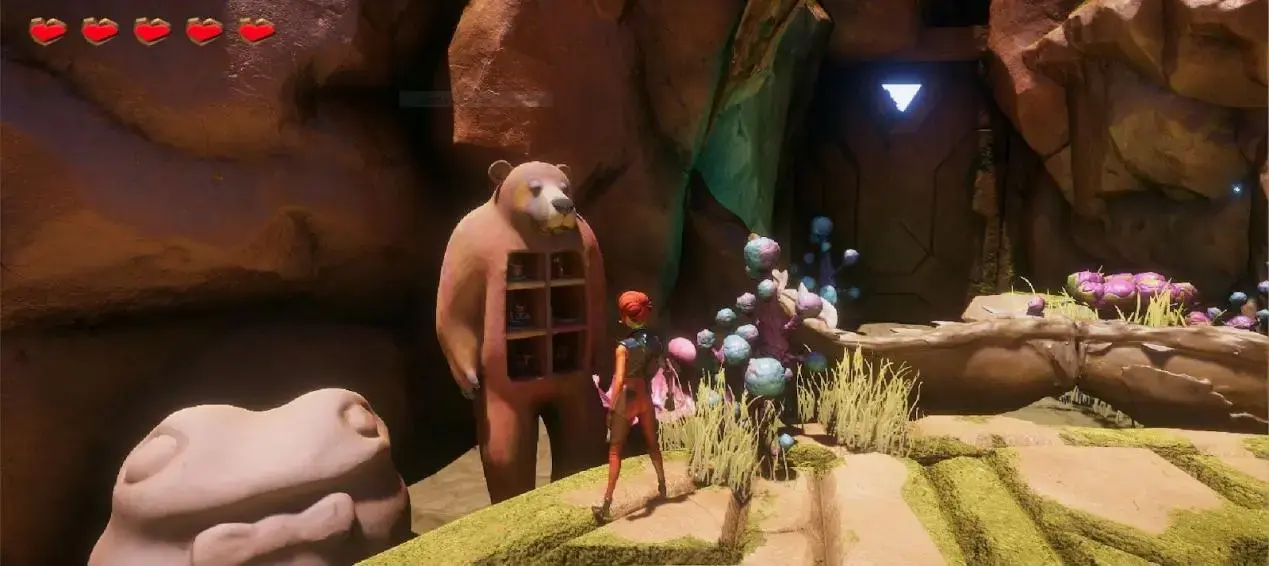
The finalized, optimized model is imported into Unity. Here, students work on scripting, interaction design, and scene integration, transforming their initial artistic concept into an interactive game object.
Renewed Engagement and Deeper Cultural Connection
Witnessing their physical artwork come to life in a virtual space instills a deep sense of ownership and pride in the students. This transformation often sparks a newfound passion for technology, as one student described:"Seeing my environment become interactive in the game really motivated me and made me want to explore digital tools further."
By blending local history and heritage themes with advanced technology, Tony's approach bridges both generational and disciplinary divides. Cultural storytelling becomes more accessible, relatable, and meaningful for students who might otherwise feel distant from traditional heritage education.
Looking Ahead: Expanding the Role of Meshy in Education
Looking forward, Tony envisions Meshy playing a long-term role in digital arts education, moving beyond the current project's scope.
"I see Meshy as a technical and educational keystone for this project. In the long term, it could become a standard tool in the digital workshop, facilitating the seamless integration of students' creations into educational games or 3D environments."
Tony Renou
Teacher
The success of Meshy in bridging traditional and digital creativity has set the stage for broader collaboration with cultural partners, the development of more advanced educational games, and the potential creation of small-scale enterprises centered on local heritage promotion.
As more educators and institutions seek to unlock the power of immersive technology, Tony's model stands as a practical and inspiring example of how Meshy can enable the next generation of digital creators.
"I truly believe that Meshy can become a bridge: young people are often drawn to digital technology, and this solution allows cultural heritage to be reintroduced into their world. It creates a connection between history, heritage, and contemporary technologies—something that really resonates with them."
Tony Renou
Teacher