A Multidisciplinary Artist Navigating 2D and 3D
Mikhail Arce-Ignacio is a multimedia creator whose work spans tattooing, sound design, electronic performance, photography, graphic design, and motion visuals. His artistic life is balanced between education and creation across international classrooms and commercial collaborations.
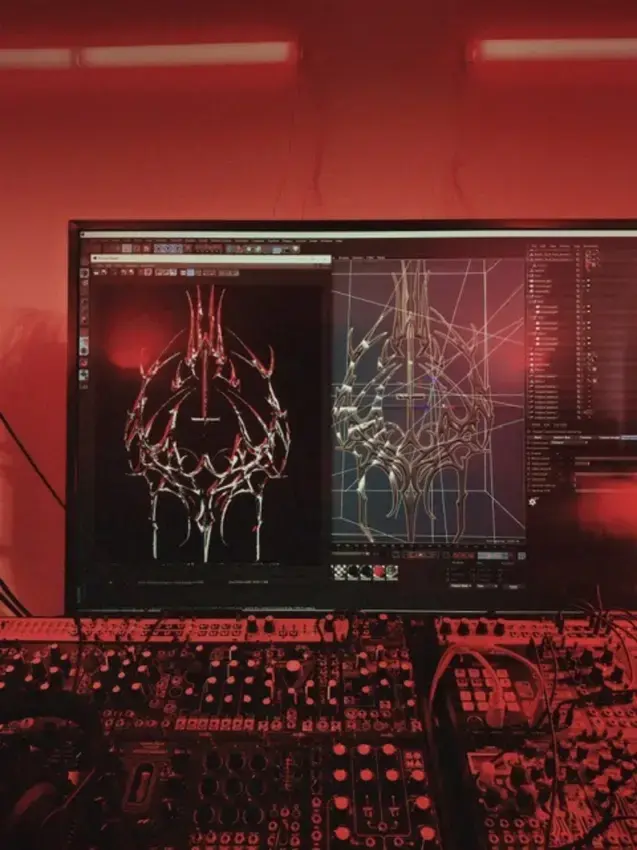
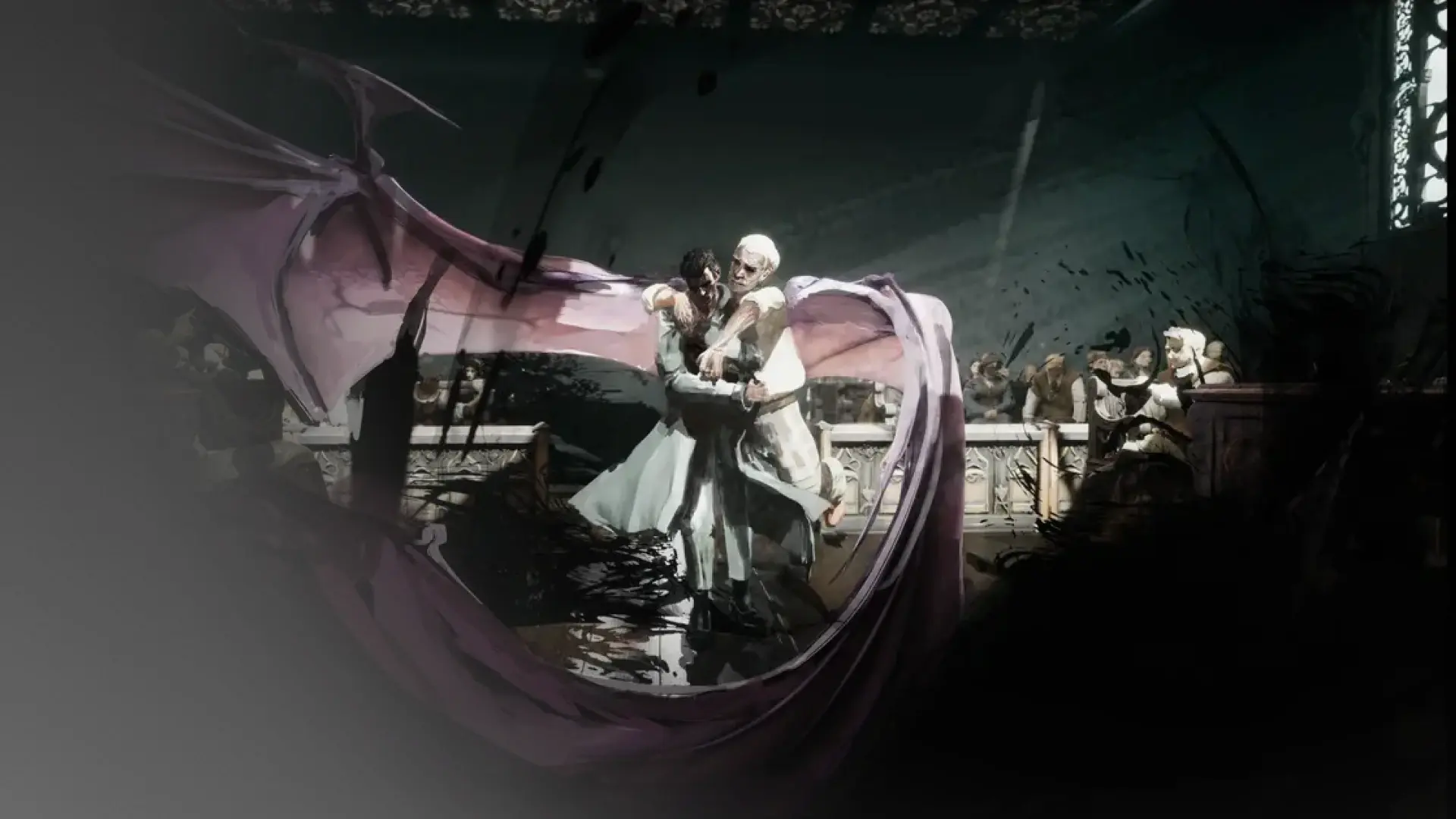
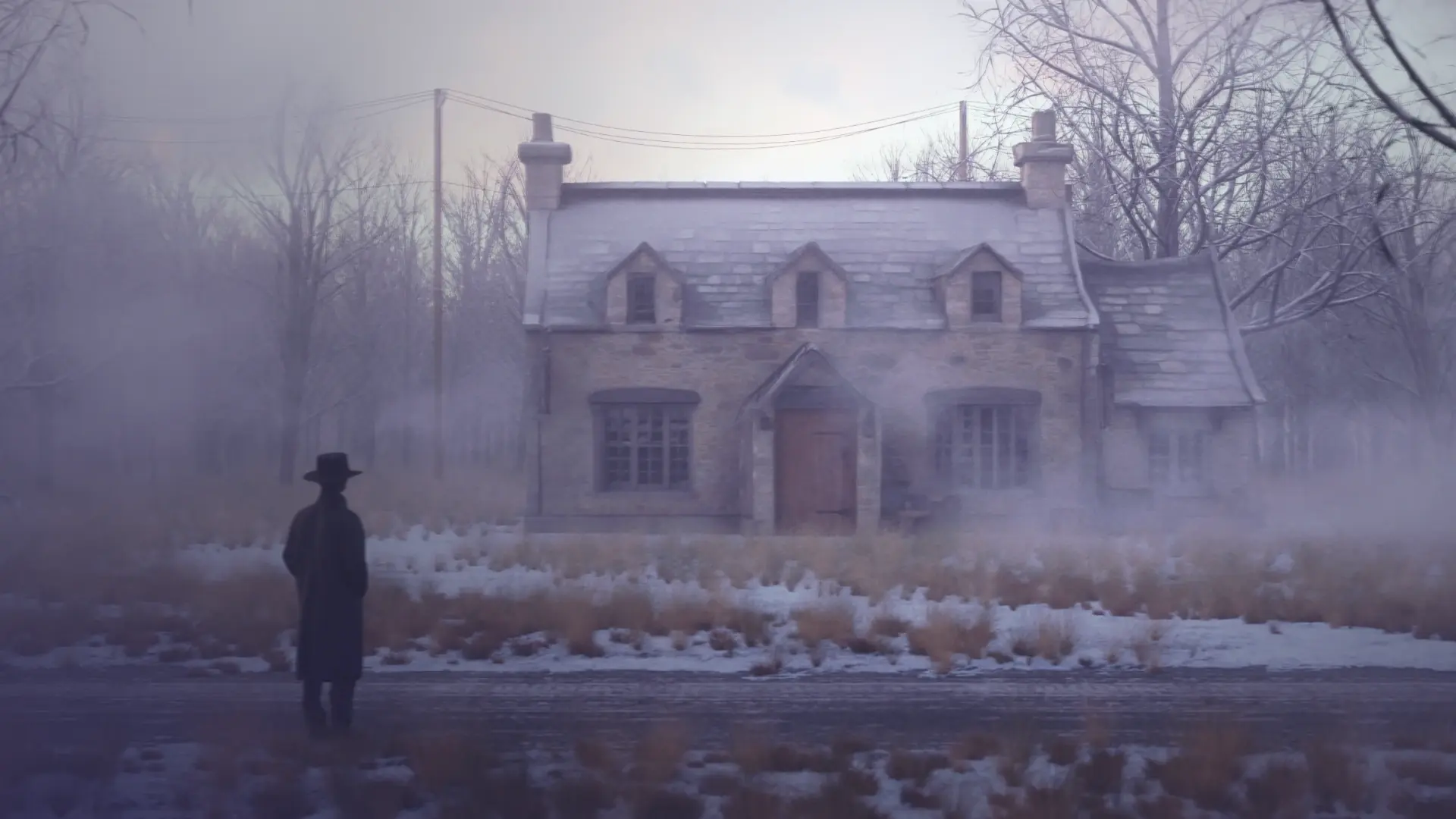
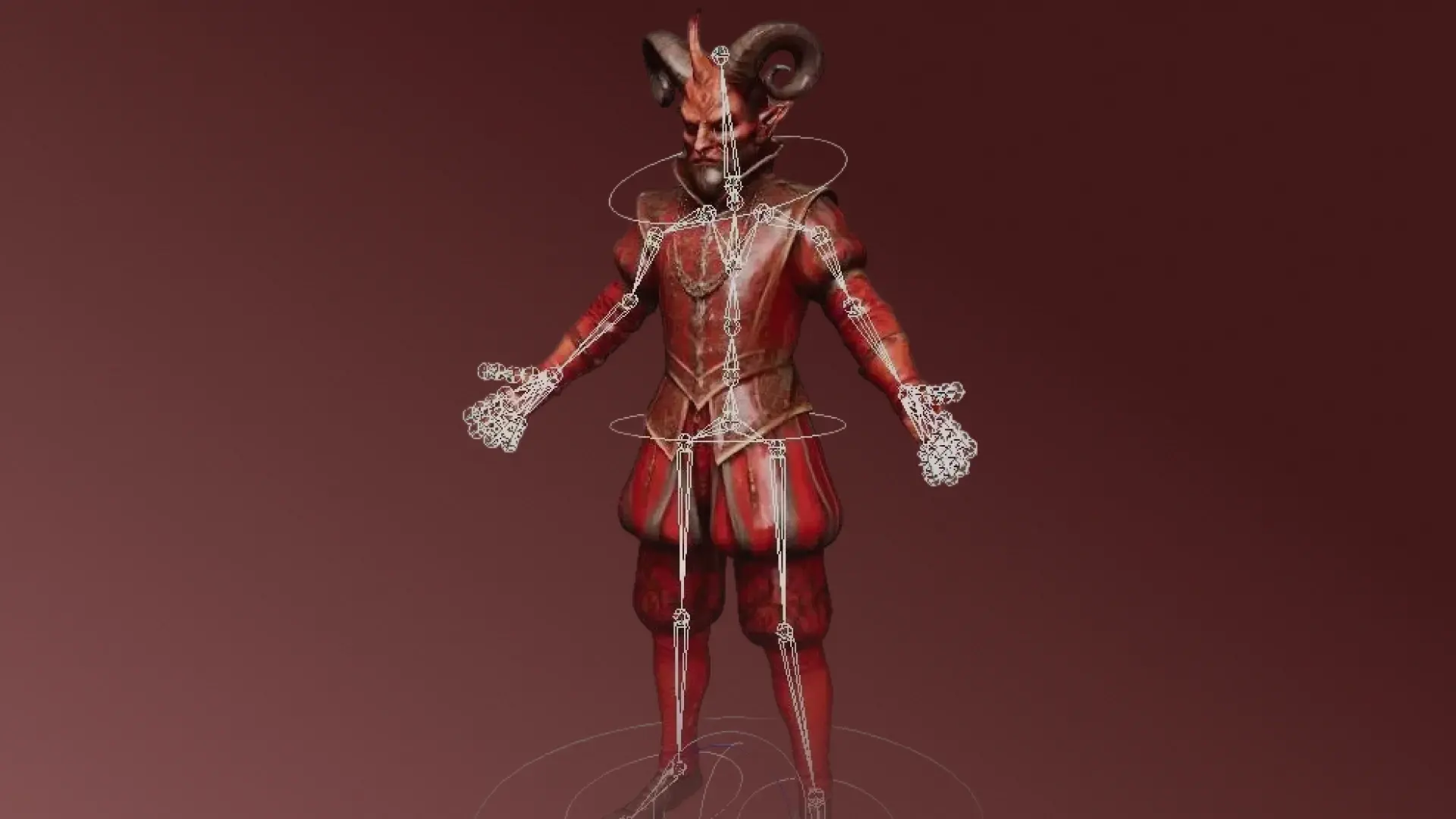
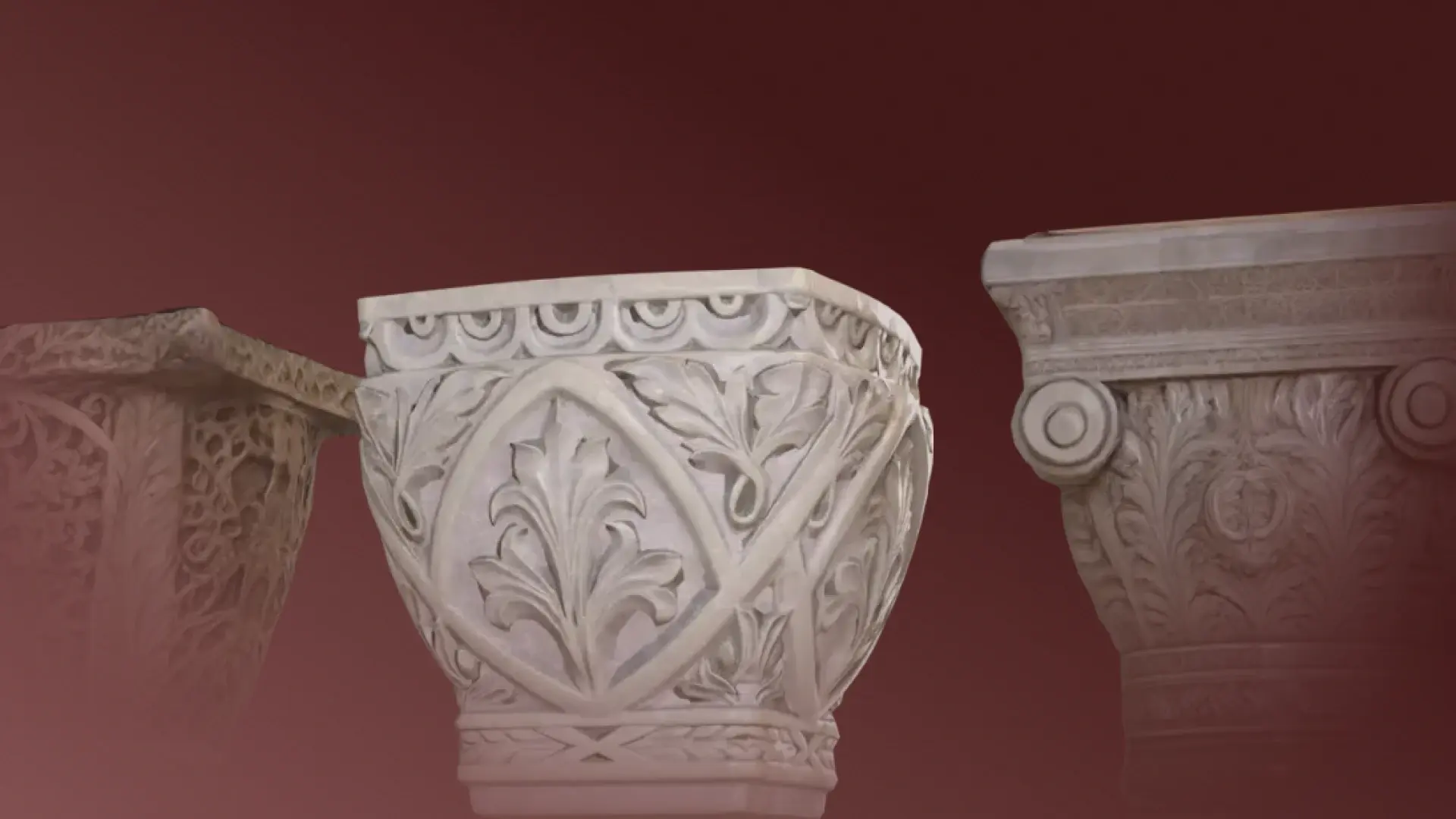
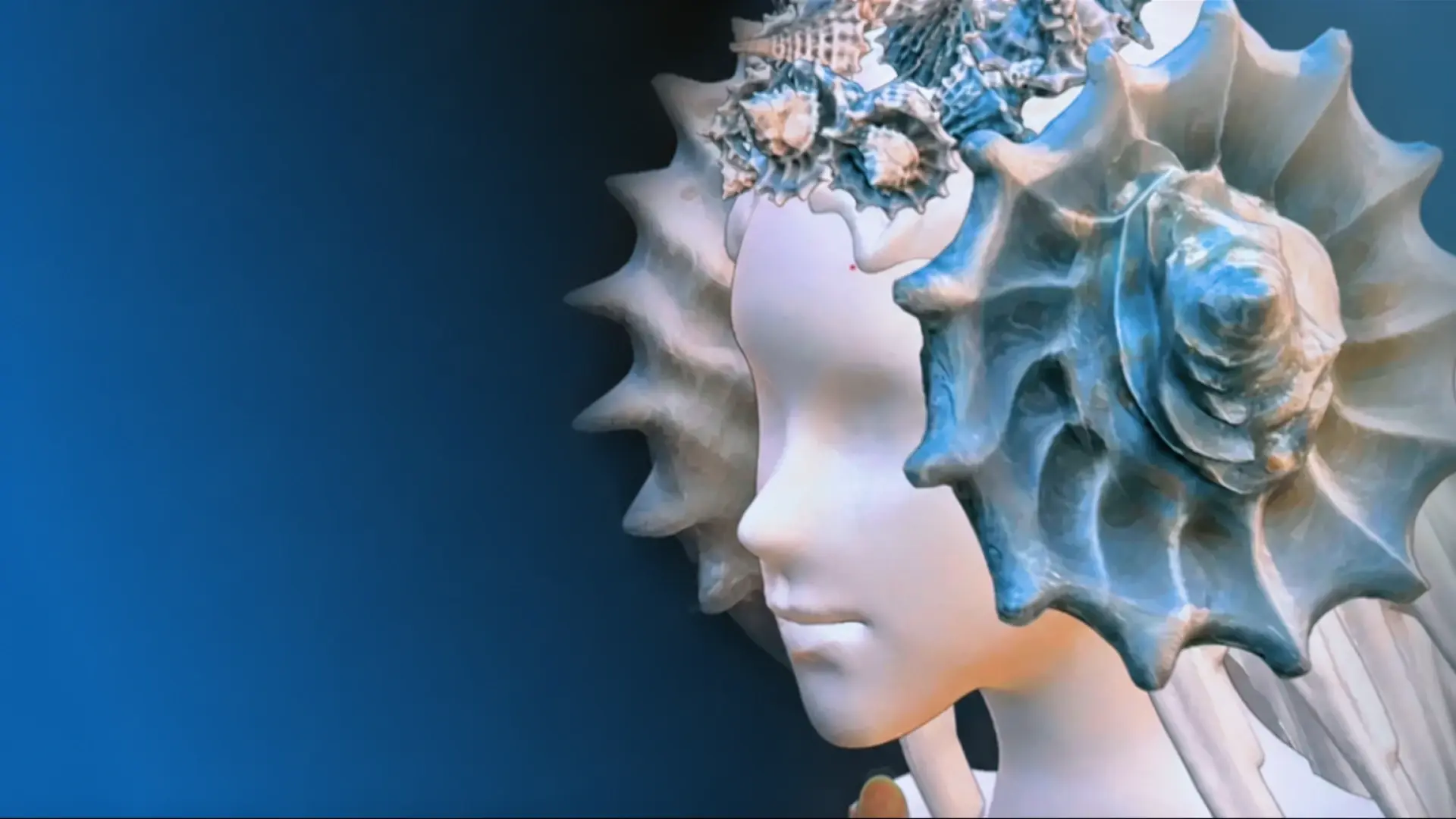
Stylistically, Mikhail gravitates toward abstract, organic, and ornamental forms, drawing from cybersigilism and occult art. However, despite his extensive experience in graphic design and motion visuals, translating these intricate, stylized 2D concepts into fully realized 3D models presented a persistent technical hurdle.
Technical Barriers Between Sketch and Sculpt
For artists who begin their creative process with 2D illustrations, the leap to 3D is often fraught with friction. Mikhail found that while he loved the sculpting process, the initial phase of blocking out a model from a drawing was impeding his efficiency. Mikhail faced several distinct challenges.
- Time-Intensive Workflows: Turning a concept into a base mesh was a slow, manual process.
- Compromised Vision: The technical difficulty of 3D modeling sometimes forced creative concessions.
- Modeling Complexity: His specific style required great detail, which was hard to capture manually from scratch.
Why Meshy: A Unique Fit in the Creative Ecosystem
Mikhail came across Meshy by chance through social media and immediately saw its potential to solve a longstanding creative gap. Mikhail found that Meshy acted as a powerful accelerator that respected his artistic intent. He wasn't looking for a tool to do the work for him, but rather one to connect the disparate parts of his process.
"Meshy fits really uniquely in my creative ecosystem in that it eases some of the most time-consuming steps in my 3D workflow involving converting 2D concepts to a model ready to further detail or render. It allows me to maintain creative control of the most vital and most enjoyable parts of the process."
Mikhail Arce-Ignacio
multimedia artist
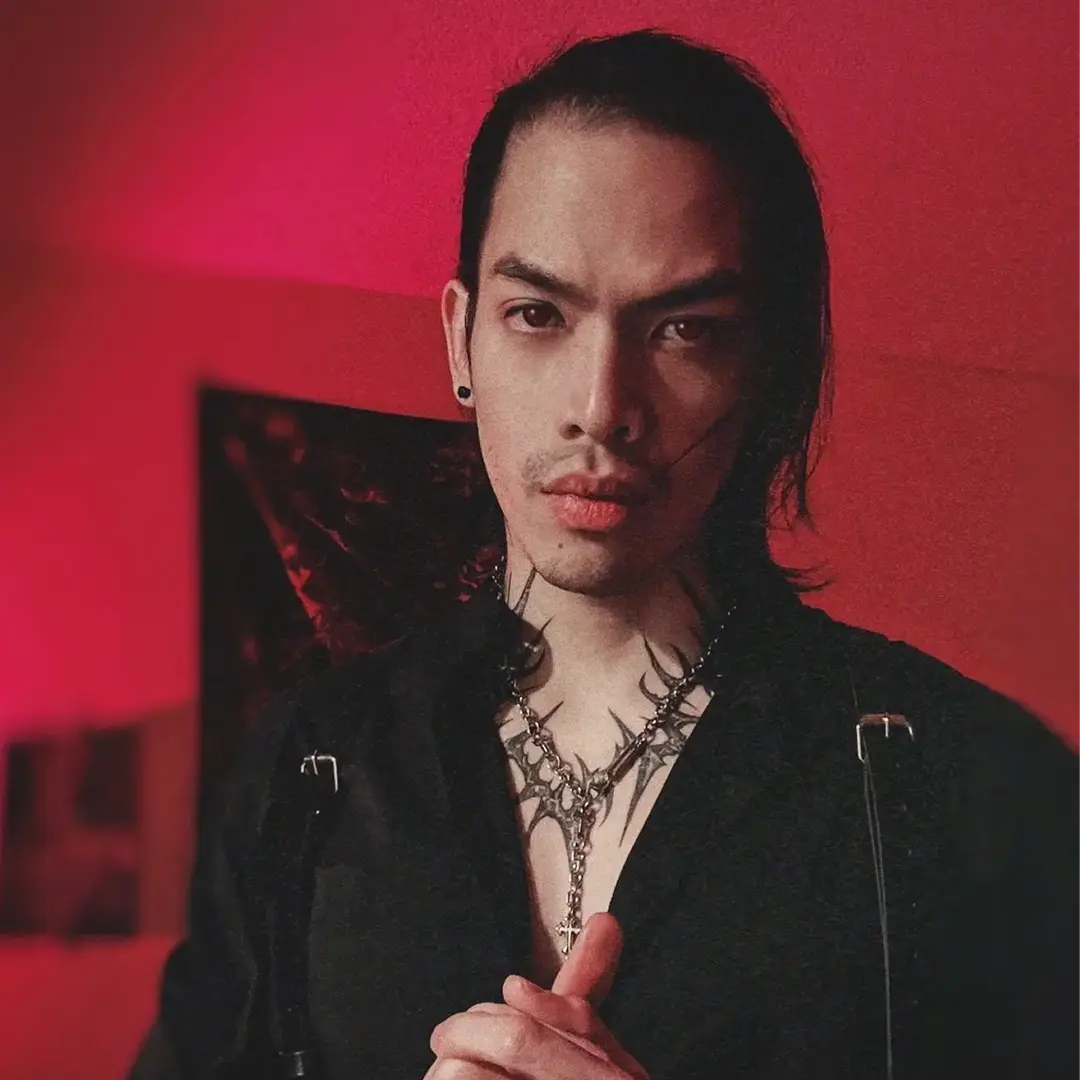
By automating the initial geometry generation, Meshy provided a very good starting point for further sculpting and rendering, effectively removing the friction that previously stifled his complex ideas.
Workflow: From Concept to Cinema 4D
For Mikhail, Meshy is not an end-to-end solution but a critical middle layer in a sophisticated professional pipeline. He uses the tool to bridge 2D ideation and high-end 3D detailing.
His workflow follows these steps:
1. Concept Illustration: The process begins in Procreate, where abstract shapes, patterns, and ornamental structures are sketched and developed into cohesive 2D designs.
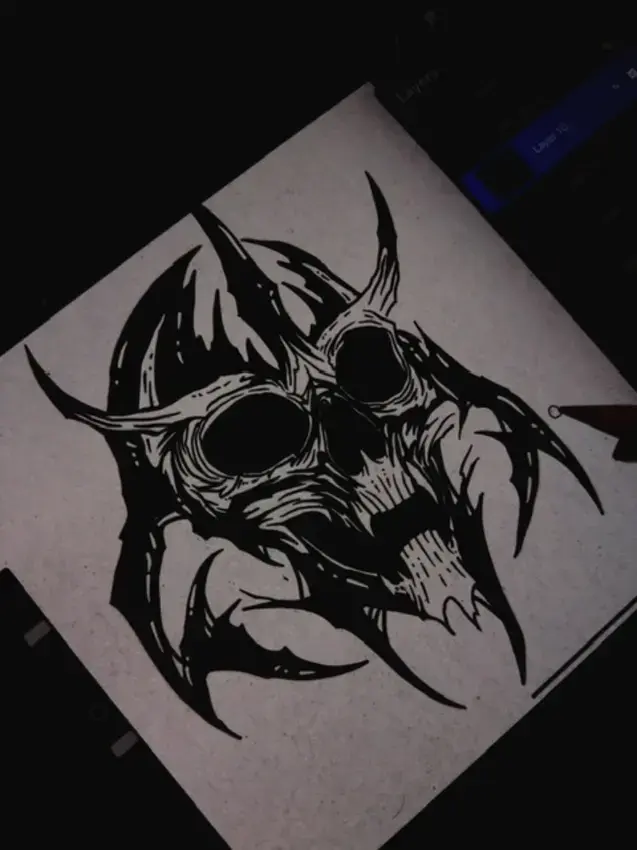
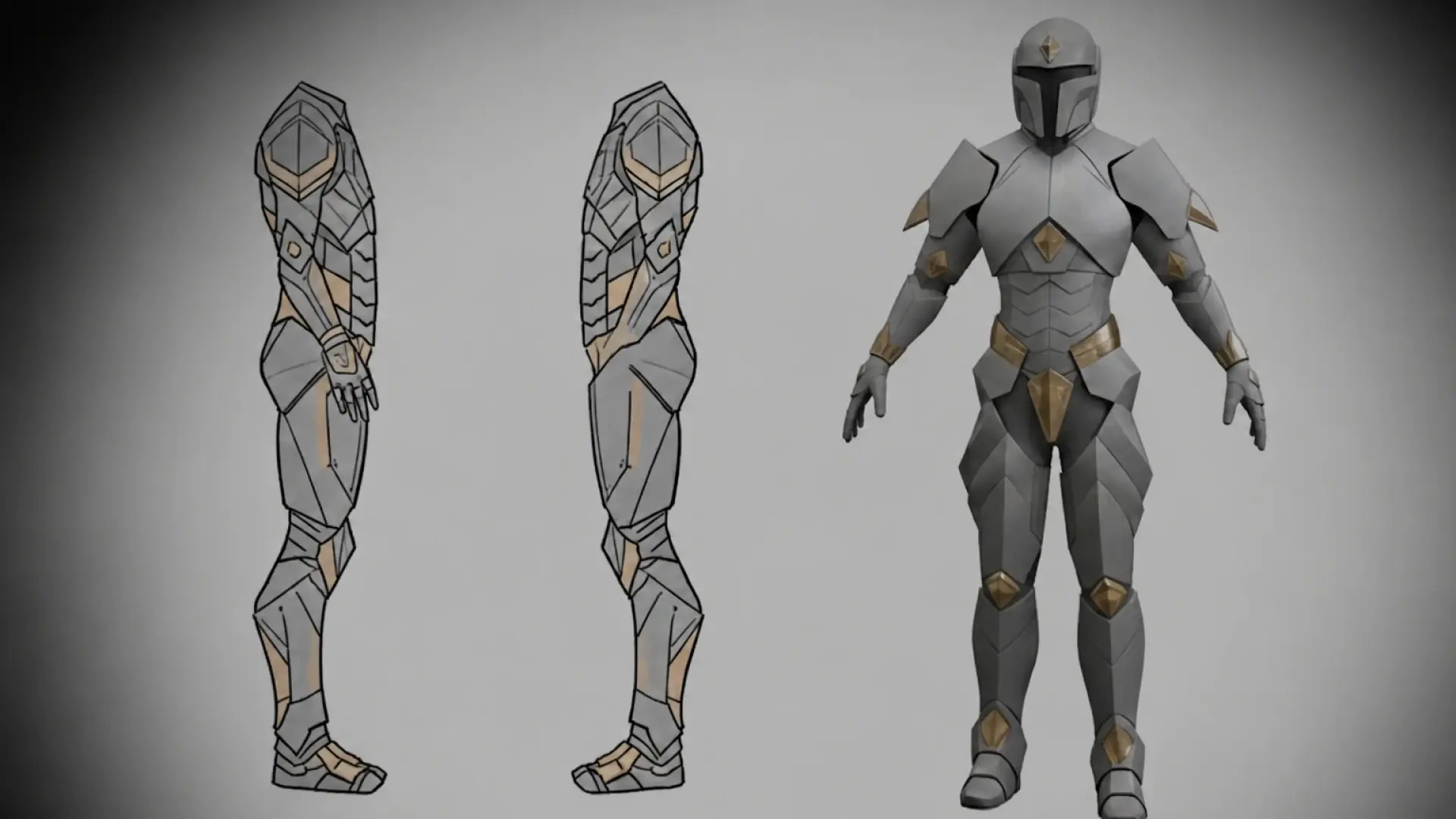
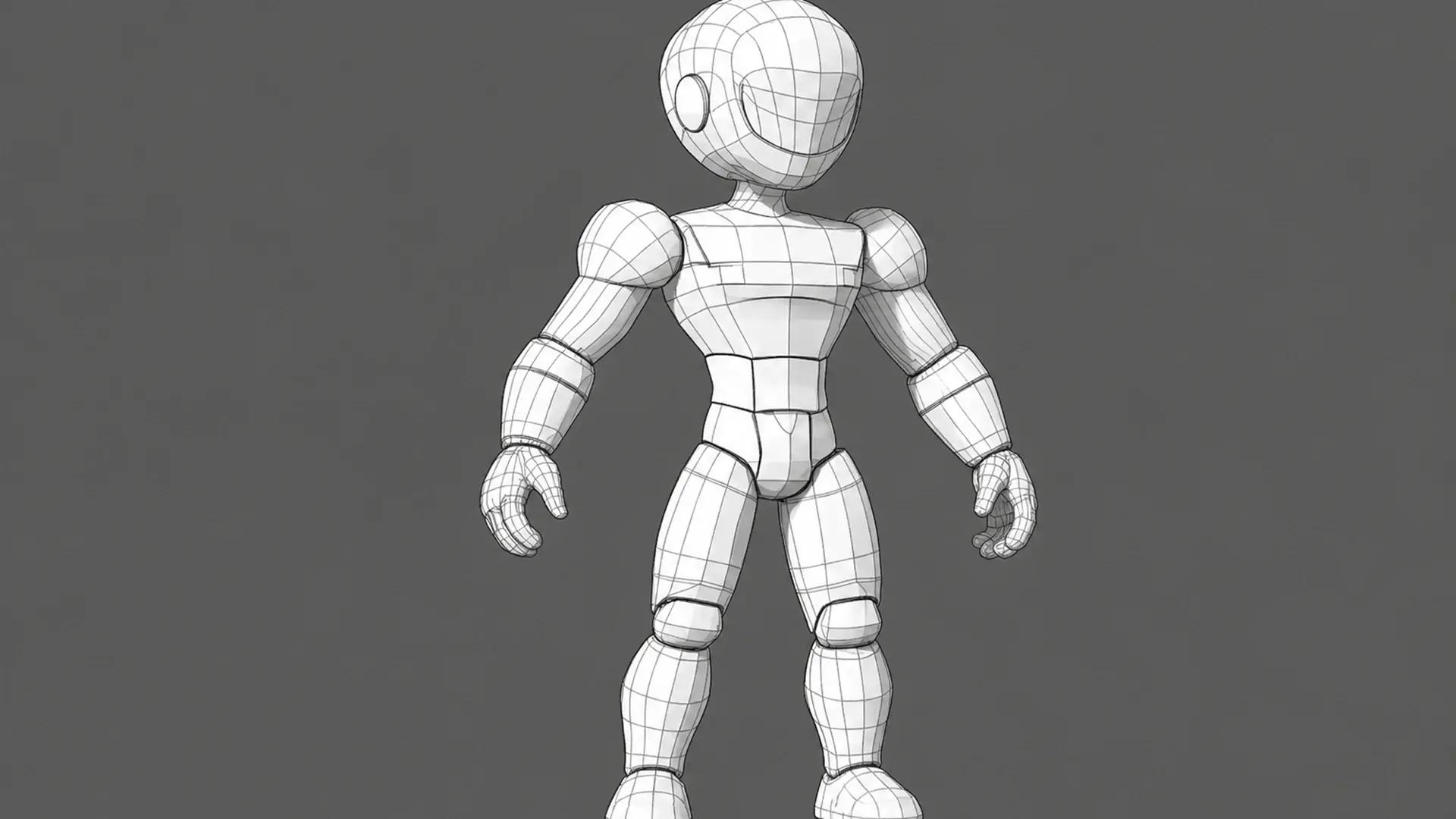
2. 2D-to-3D Conversion: These illustrations are imported into Meshy, which rapidly generates a sculpt-ready 3D foundation. This step preserves the visual essence of the original concept while eliminating the manual block-out phase.
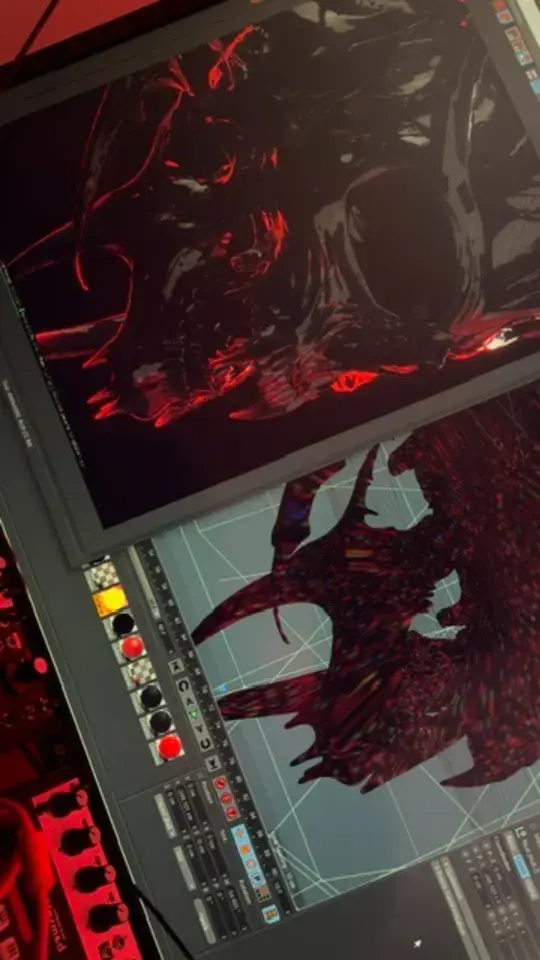
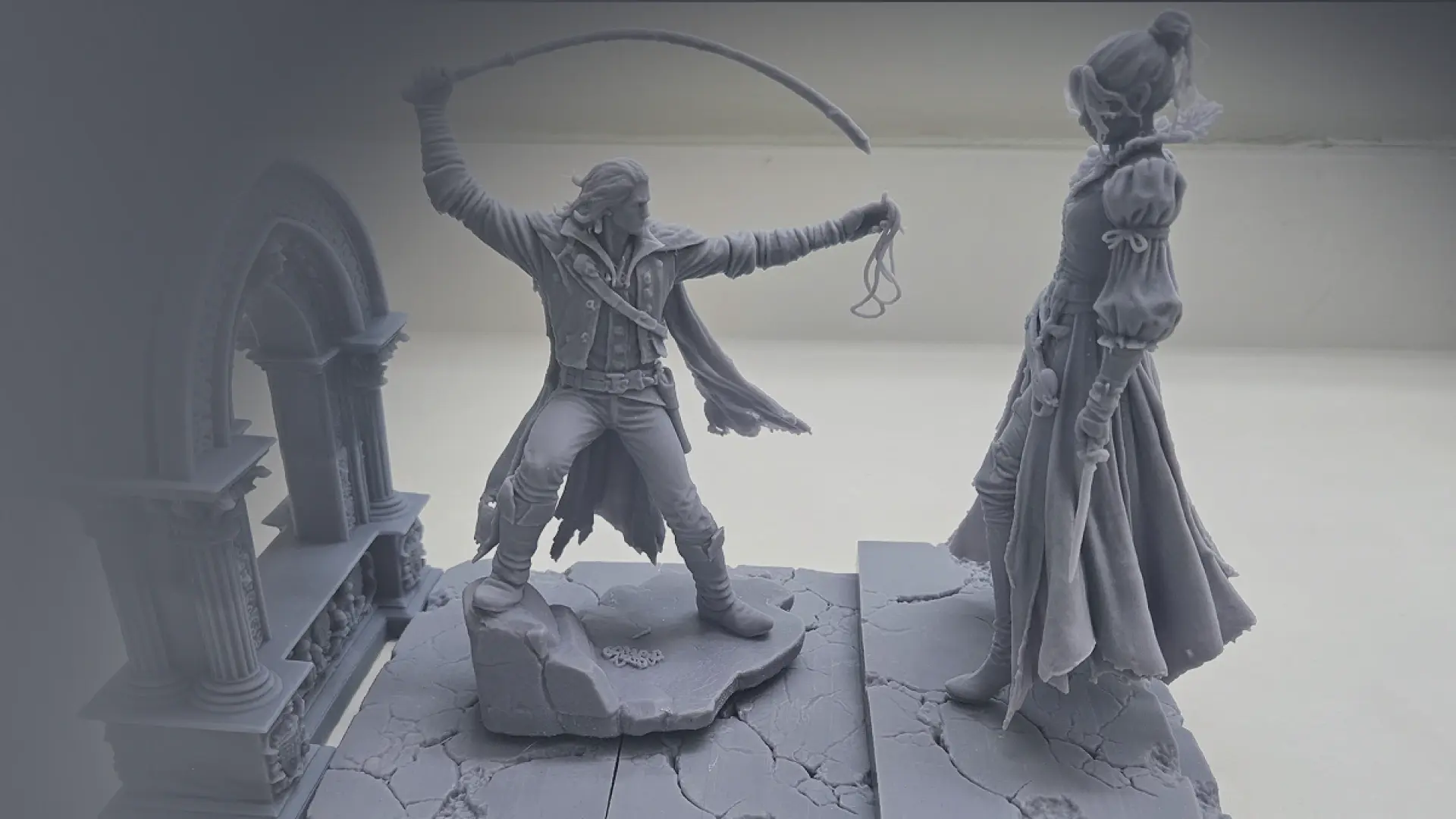
3. Sculpting and Refinement: The base model is transferred to Forger or ZBrush for further enhancement. Here, intricate stylized details and form-specific adjustments are applied to geometry.
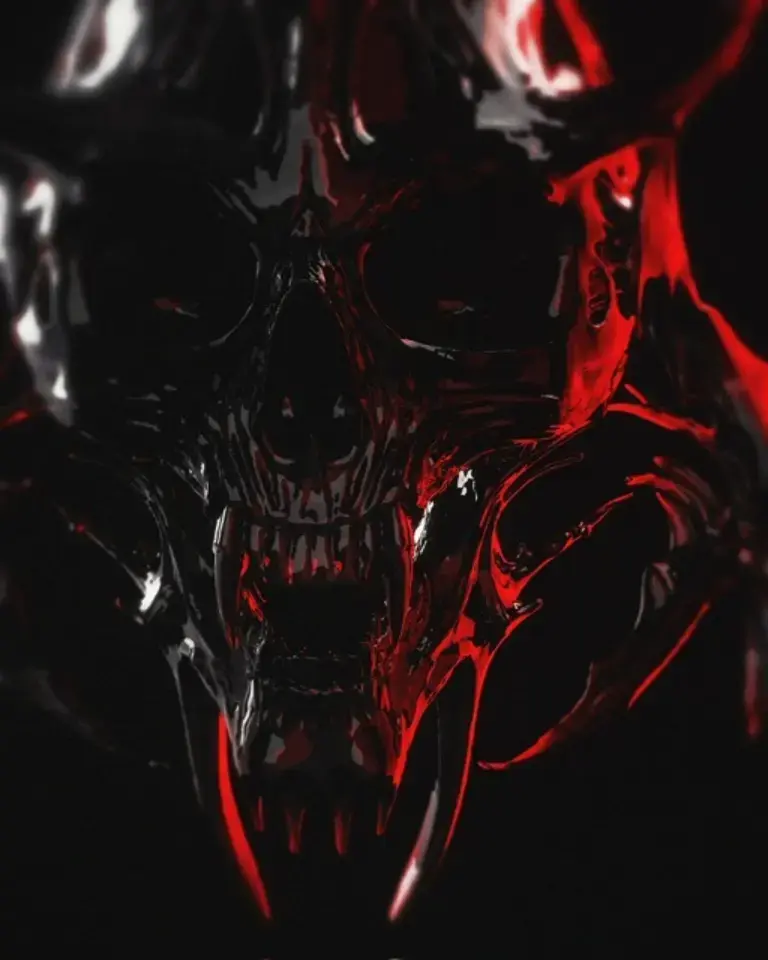
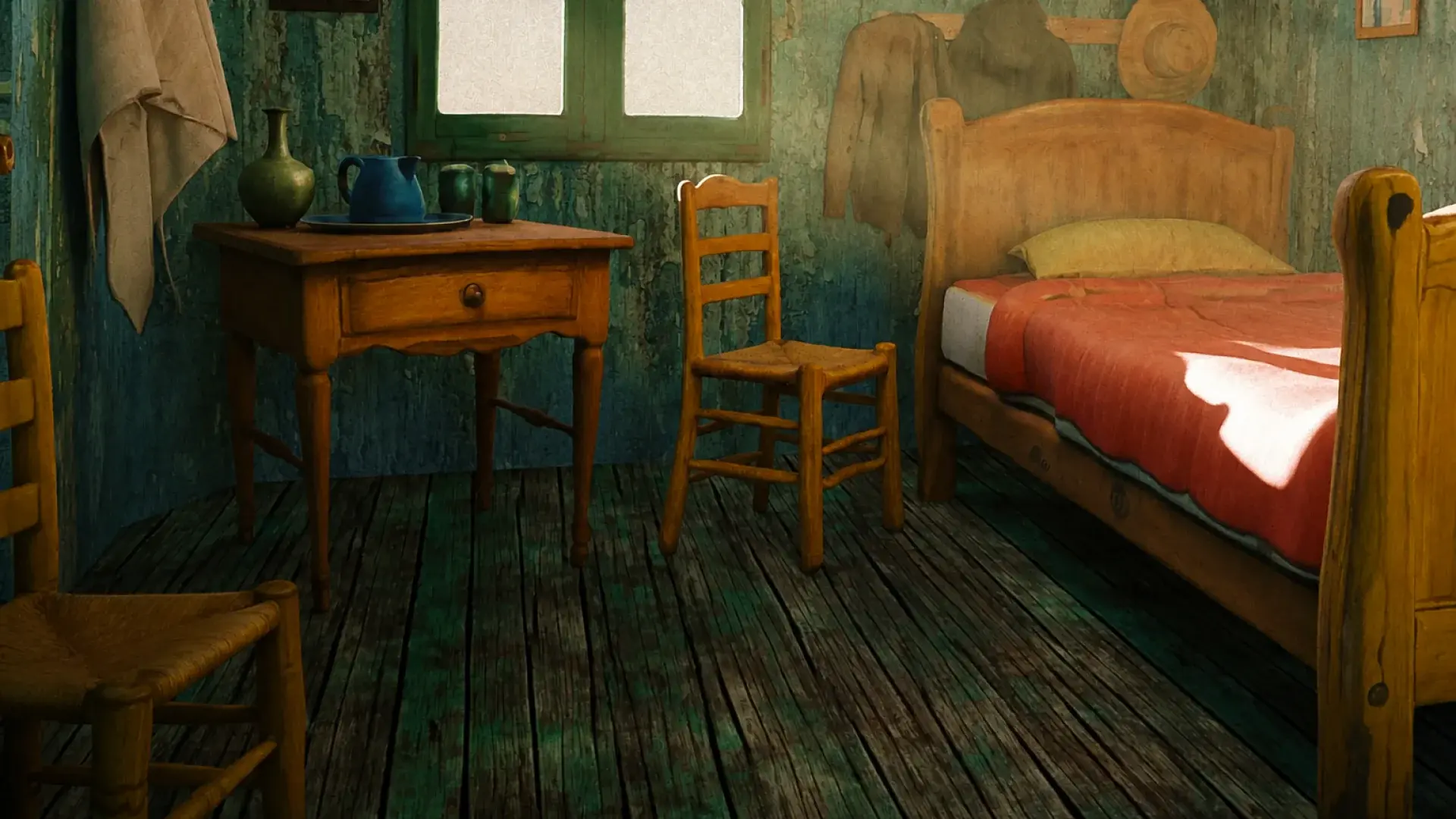
4. Rendering and Integration: Once refined, the asset is brought into Cinema 4D. This final stage focuses on lighting, texturing, and rendering to produce the finished multimedia piece.
Impact: Accelerating Production and Expanding Possibilities
The impact of adopting Meshy has been immediate and tangible. The most significant result has been the democratization of complex production capabilities for the individual artist.
"In my case, individual projects where I don't have a team of specialists now become a lot easier to approach."
Mikhail Arce-Ignacio
multimedia artist
Furthermore, Meshy has also shortened the distance between ideation and execution. Concepts that once required extensive manual construction now progress smoothly into sculpting and refinement, enabling him to maintain creative momentum rather than interrupting it with technical bottlenecks. This fluidity across software—moving from drawing to generation to sculpting and final rendering—has redefined how he navigates his entire workflow.
"Meshy has definitely had a positive influence on the quality and speed of my projects. It's allowed me to be more efficient in where I put time and effort, allowing me to focus on the most creative parts of my workflow."
Mikhail Arce-Ignacio
multimedia artist
Advice and Future Expectations
Looking forward, Mikhail plans to expand his use of Meshy into his tattoo practice. He envisions using Meshy for prototyping tattoo designs, allowing him to reposition the render and reillustrate in 2D for new angles and perspectives.
Mikhail encourages other creatives to look past the skepticism often associated with AI. He views Meshy as a tool for liberation rather than replacement.
"The stories you tell will still be the ultimate message of an art form, and I'd like to think that, regardless of the medium, from visual to sound, analog to digital, I will always ultimately be the storyteller, simply choosing the form in which I share my unique perspective."
Mikhail Arce-Ignacio
multimedia artist
Conclusion: Letting Artists Focus on the Parts That Matter Most
Mikhail's experience demonstrates how Meshy can support—not overshadow—creative intention. By eliminating unnecessary technical steps, Meshy allows artists to transition from concept to sculpt more fluidly, leaving more time for experimentation, detail, and storytelling. For multimedia designers, tattoo artists, and visual creators navigating both 2D and 3D, his workflow is a practical example of how Meshy can free artists to work with greater clarity, control, and speed.