How to Create a Game?
Creating a game is a unique blend of creativity and technical skill. It begins with a concept that evolves into a detailed design document outlining the game's mechanics, story, and characters. Developers then use game engines to build the game world, program the rules, and integrate art and sound. After extensive playtesting and iteration, the game is polished for release.
As AI technology advances, it has become an invaluable tool in the game development process, assisting with everything from ai generated game assets and characters to gameplay optimization. Whether you call it an AI game maker, an AI game creator, or an AI video game generator, these tools fall into two very different categories, and picking the wrong one for your goal is the most common mistake we see.
Full Game Generators vs. Game Asset Generators
Not every AI game generator does the same job, and mixing the two up is the fastest way to pick the wrong tool for what you're actually trying to do:
- Full game generators build an entire, playable game for you, code, logic, and assets in one pass. There's really only one mature player in this category right now, Rosebud AI, covered first below.
- Game asset generators don't build the game itself; they generate the pieces (3D models, 2D art, textures, environments) that you then bring into a game engine like Unity or Unreal yourself. This is where most of the AI game asset generator category lives, and where most developers actually spend their time, since even teams using a full game generator often still need higher-quality individual assets.
The list below covers both, so you can pick based on what you're actually trying to solve.
8 Best AI Game Generators in 2026
Full Game Generators
1. Rosebud AI: All-in-One Full Game Generator

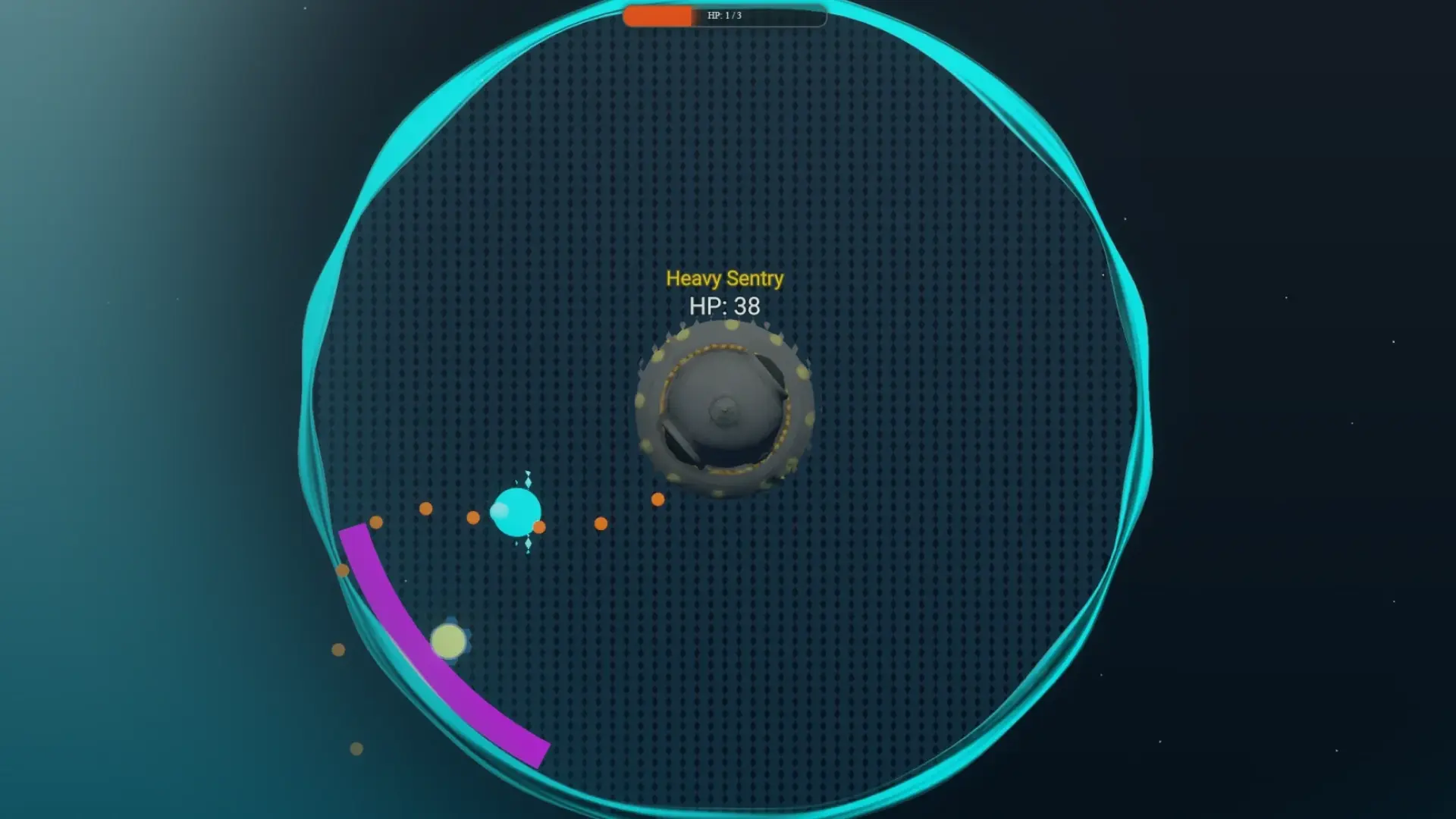
Rosebud AI is a cutting-edge AI game maker designed to empower indie game creators by rapidly generating programming code, high-quality game assets, and animations. This tool makes it simple to put these game parts together, even if you don't know how to code.
With the help of Rosebud AI, you don't need any other tool to help you build a fully functional game, other than a single webpage. It's also great for small teams working together, and it helps new games get noticed. Overall, Rosebud AI is a handy tool for turning game ideas into real games without a lot of complicated work.
Rating: ★★★★★
Game Asset Generators
2. Meshy AI: Best for Game Asset Generation

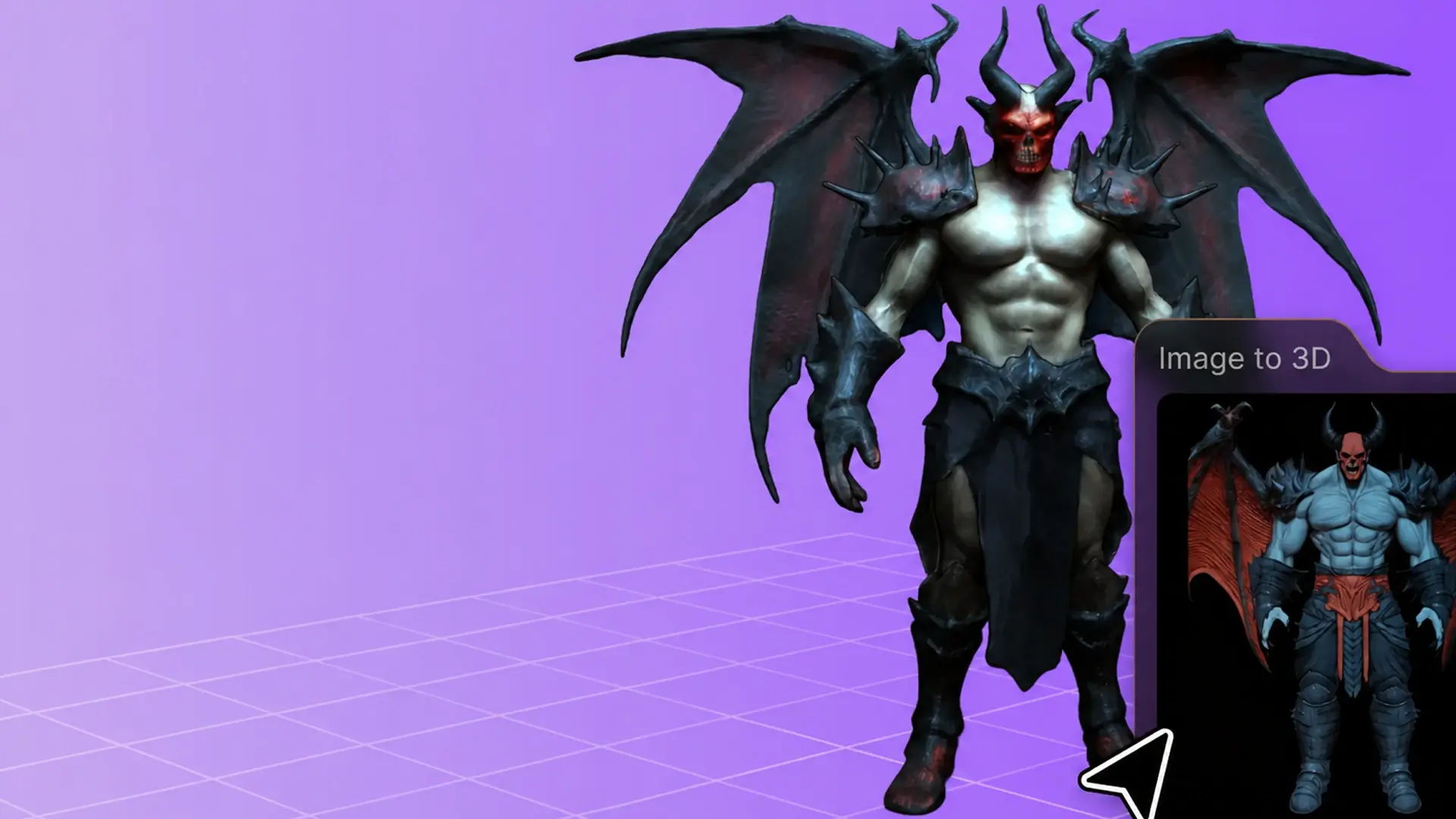
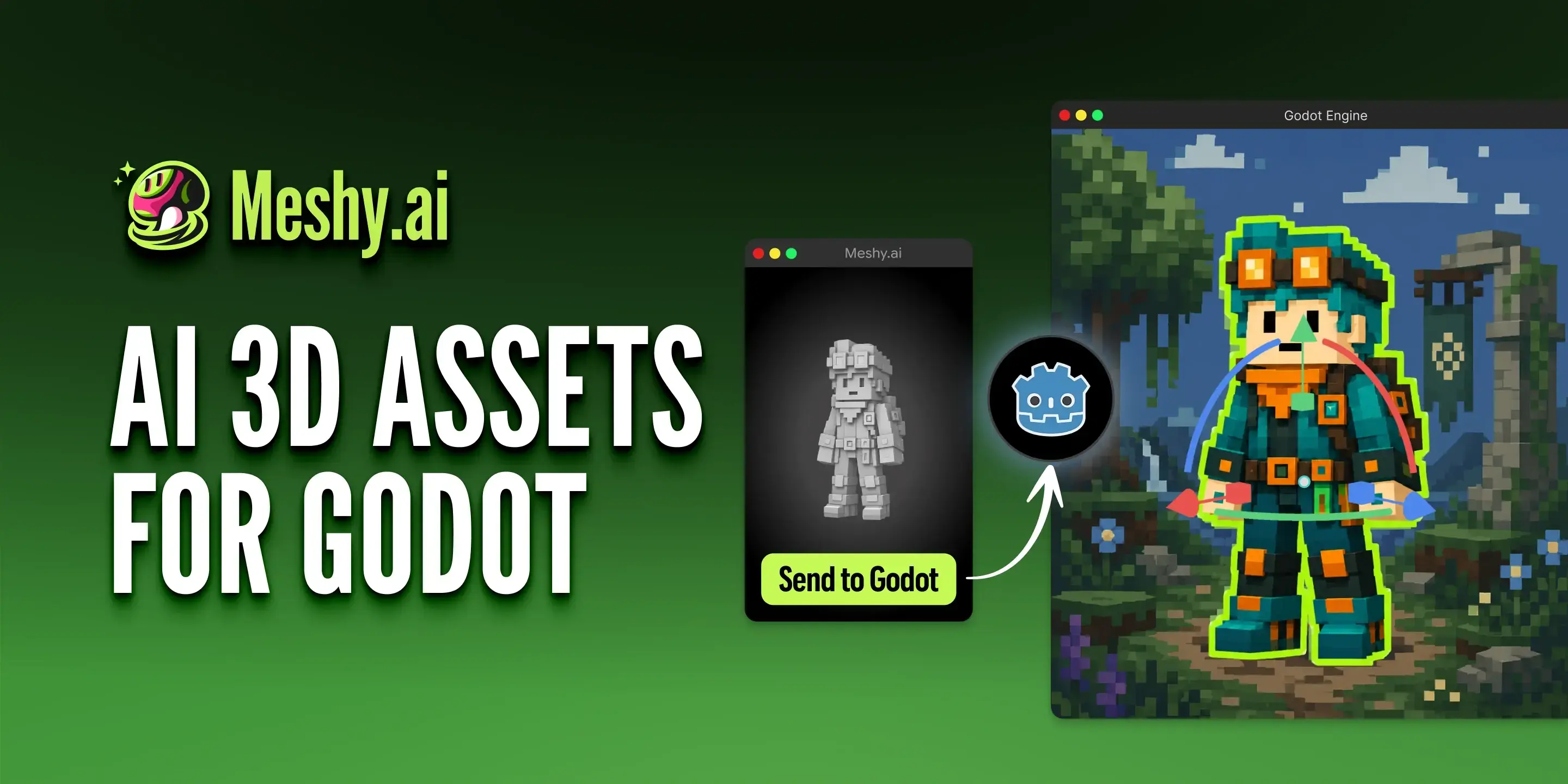
Meshy AI is a leading AI game asset generator that simplifies the process of creating 3D models and textures for game developers. It offers a user-friendly interface that allows for the generation of high-quality 3D assets quickly, which can significantly speed up the game development process.
With features like "Text to 3D" and "Image to 3D," Meshy AI enables developers to convert simple text descriptions or 2D images into fully textured 3D models in just minutes. This tool is particularly useful for indie developers who need to create detailed assets efficiently without extensive 3D modeling skills.
Additionally, Meshy AI supports various art styles and provides texture richness adjustments, giving developers full control over the final look and feel of their models. The generated models are clean, optimized, and ready for real-world applications, making them a valuable asset for game developers looking to enhance their games with professional-quality graphics. See how it stacks up against a direct competitor in our Meshy vs. Tripo comparison.
Rating: ★★★★☆
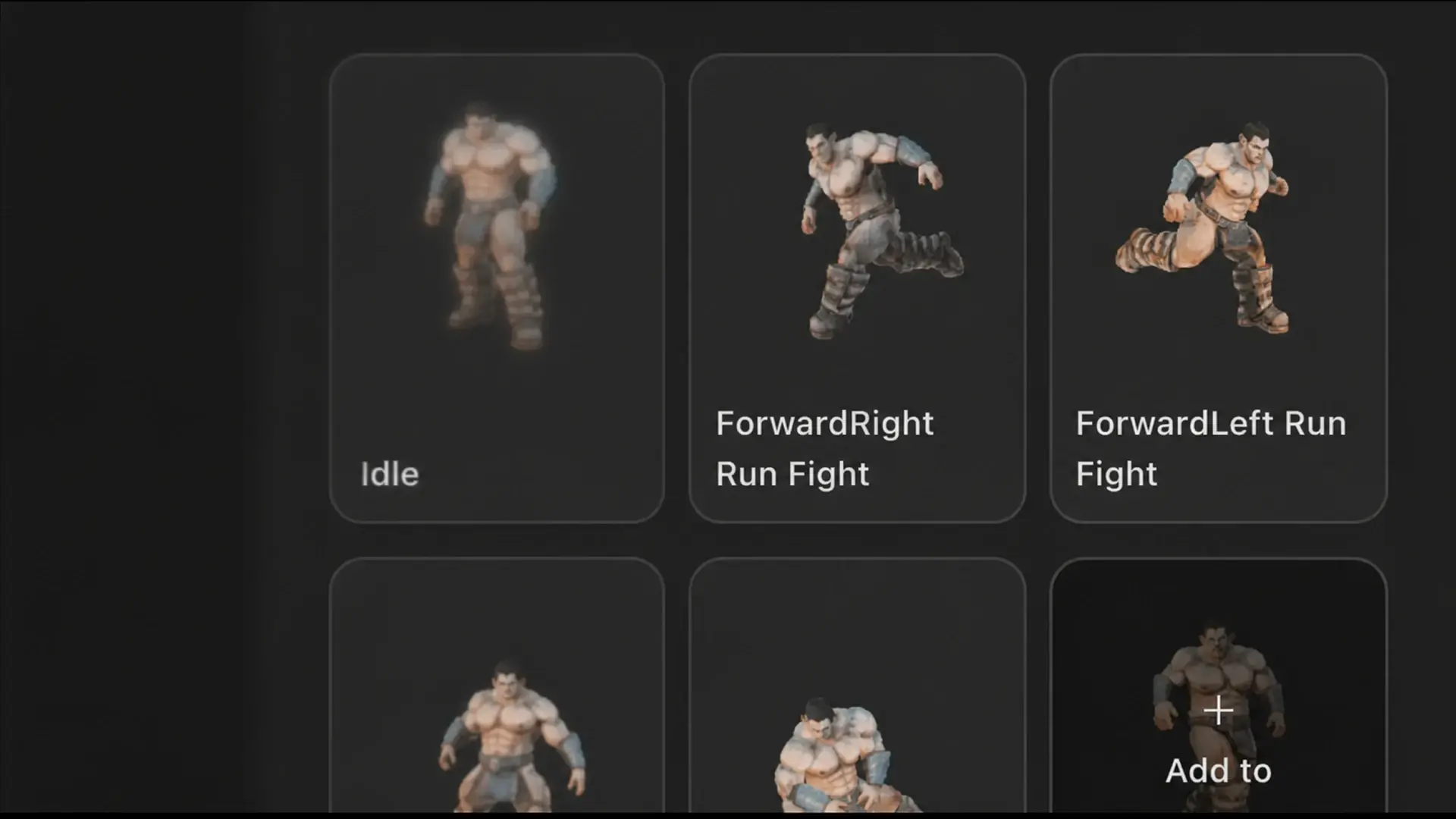
3. Tripo: Fast 3D Model Generation with Auto-Rigging
Tripo is an AI 3D model generator built around fast text-, image-, or sketch-to-3D generation, with AI texturing and auto-rigging built in. Its "Smart Mesh" mode targets game-ready low-poly topology specifically, and it ships plugins for Unreal, Unity, Godot, and Cocos, exporting to GLB, FBX, OBJ, STL, or USDZ.
Key Features:
- AI Auto-Rigging: Generates a clean skeleton and skin weights automatically, exported ready to animate.
- Free tier: 200 credits/month (roughly 13 models), non-commercial use only; paid plans start at $19.90/month and unlock commercial use.
- Engine Plugins: Direct plugins for Unreal, Unity, Godot, and Cocos.
Rating: ★★★★☆
4. Layer AI: Game Art Design

Layer AI is a tool that uses AI to help game developers create amazing game art quickly. Artists can train AI models with their own art to generate new game assets that match their style. It's easy to use and helps make game development faster and more efficient with game asset gathering.
This tool is great for both big studios and small indie teams who want to focus on making great games without spending too much time on the art. Layer AI brings the power of AI to game art creation, making it easier than ever to create stunning game worlds.
However, beginners may encounter challenges with the complexity of managing multiple layer types, and generating highly detailed environments may require substantial computing power.
Rating: ★★★★☆
5. Leonardo AI: 2D Artwork Focus

Leonardo AI is an AI-powered platform that simplifies digital content creation. It excels at generating high-quality 2D artworks and 3D textures from text prompts or existing visuals using advanced machine learning. Its intuitive design makes it accessible for artists, designers, and game developers looking to produce unique content quickly.
With features like AI Canvas for image editing and various models for different styles, Leonardo AI makes it easy to produce professional-quality graphics without extensive technical skills. It's a handy tool for anyone looking to bring their creative visions to life. This tool is the best in the field of 2D artwork generation, but in 3D models, it does not provide direct models and can only help with adding texture to already existing ones.
Rating: ★★★☆☆
6. Promethean AI: Asset Management and Virtual Environment Creation

Promethean AI is a leading AI suite for digital asset management and virtual world creation, designed to streamline creative workflows and automate mundane tasks for game developers. It stands out for its ability to generate high-quality 3D environments in real-time using natural language commands, which can significantly reduce the time spent on manual asset creation and allow designers to focus on other aspects of game development.
With Promethean AI, developers can describe the scene they want, and the tool will generate it, making it easier for individuals with limited design skills to create games that were previously beyond their reach. This tool integrates with 3D software like Maya, Unity, and Blender, and is available in free and paid versions, making it accessible to a wide range of developers.
Rating: ★★★☆☆
7. Scenario: Consistent, Studio-Trained Game Art
Scenario is an AI asset generator built specifically for game studios that need their AI-generated art to match an established visual identity, not just look good in isolation. You train a custom model on 10–30 of your own reference images (or 5–15 for a specific character or object), and Scenario generates new assets, including tileable textures and PBR maps for Unity/Unreal, that stay on-style.
Key Features:
- Style Consistency: Custom-trained models keep every generated asset visually consistent with your game's existing art.
- Free tier: 50 daily credits, no card required; paid plans start at $15/month.
- Game-Ready Output: Tileable textures and PBR export aimed at Unity and Unreal pipelines.
Rating: ★★★★☆
8. Ludo.ai: Idea Validation Plus a Full Asset Suite

Ludo.ai started as a game ideation and market-research tool, and that's still its most distinctive feature: a Game Ideator that generates concepts from keywords or themes, plus market-trend scoring that checks a concept's audience fit before you spend an hour building it. By 2026, though, Ludo.ai has grown into a genuine asset generator too, with 2D sprite, 3D asset (auto-rigged), audio, and video generators, plus a "Playable Generator" that turns a text prompt into a web-playable prototype.
That combination, validate the idea, then generate the assets, makes Ludo.ai the one tool on this list that spans both categories in this guide.
Rating: ★★★☆☆
Other AI Tools for Game Development (Not Generators, But Worth Knowing)
Not everything useful in AI-assisted game development actually generates a game or an asset. These two are worth knowing about even though they don't fit the generator framing above.
InWorld AI: AI NPC Dialogue and Voice Engine

InWorld AI doesn't generate 3D characters or models, despite what the name might suggest. It's a Character Engine: an LLM-driven dialogue and behavior system that gives an existing 3D character a personality, memory, emotional state, and a voice (via built-in TTS), and it plugs into Unreal and Unity to trigger dialogue and animation events at runtime. By 2026, InWorld has broadened further into a general realtime voice-AI and agent platform, but its game use case remains giving your already-modeled NPCs something to say and a voice to say it with, not creating the model itself.
Rating: ★★★★☆
Charisma AI: AI Dialogue for Interactive Storytelling

Charisma AI creates realistic virtual characters for interactive storytelling. It's easy to use and can be connected to game engines like Unreal Engine and Unity, as well as mobile devices and metaverses. Like InWorld, it's a dialogue and narrative layer, not an asset or full-game generator, useful for making existing characters feel alive in conversation, not for producing the 3D models or code behind them.
This tool is great for game developers because it allows them to create characters that can have natural conversations with players, making the game more engaging and immersive. Charisma AI also offers real-time analysis for instant feedback and dynamic storytelling, which can help developers improve their games based on how players interact with the characters.
Rating: ★★★★☆
AI for Game Development
AI for game development has become an indispensable ally, offering a wealth of assistance from full-game generation to individual asset creation to NPC dialogue. AI tools can automate repetitive tasks, generate high-quality assets quickly, and even assist in crafting compelling narratives, thereby enhancing productivity and creativity.
By making good use of these advanced technologies, developers can focus on refining gameplay mechanics and creating immersive experiences, rather than getting stuck with minor problems. Whether you need a full game generator, a game asset generator, or just a smarter NPC, it's crucial for game creators to embrace the full spectrum of AI resources available to them, as they can significantly simplify the development process and improve the quality of their games. Embracing AI not only optimizes workflow but also opens up new possibilities for innovation in the gaming industry.